New Concrete Driveway Help for Local Homeowners
Request an estimate today
A driveway takes a beating here. Heavy snow, a fast spring melt, hail and strong high-altitude sun all work on the slab. Small cracks open up. Water finds them. Then a patchable problem becomes a full replacement.
Morningphase Concrete is a referral service. We do not pour concrete. We connect homeowners with independent providers in our network who handle new driveways and concrete flatwork. This page shows you what to check yourself, how the seasons shape timing, and what to expect from a project. When you are ready, you can request an estimate with no obligation.
Is it time for a new driveway?
Walk the lot first. Stand at the street and look back at the house. Does the slab look patched, stained and tilted? Or just dirty? A good wash tells you a lot. Dirt hides how sound the concrete really is.
Some driveways only need sealing or a crack fill. Others are past saving. The next few sections help you tell which is which.
Early warning signs to check this week
Small signs come first. Catch them and you have more choices and more time. Look for these:
- Hairline cracks that wander across the slab
- Flaking or peeling on the surface
- Small pits where the top layer has worn away
- Gaps where the slab meets the garage or the street
- Water that sits in puddles after rain
Cracks you can measure
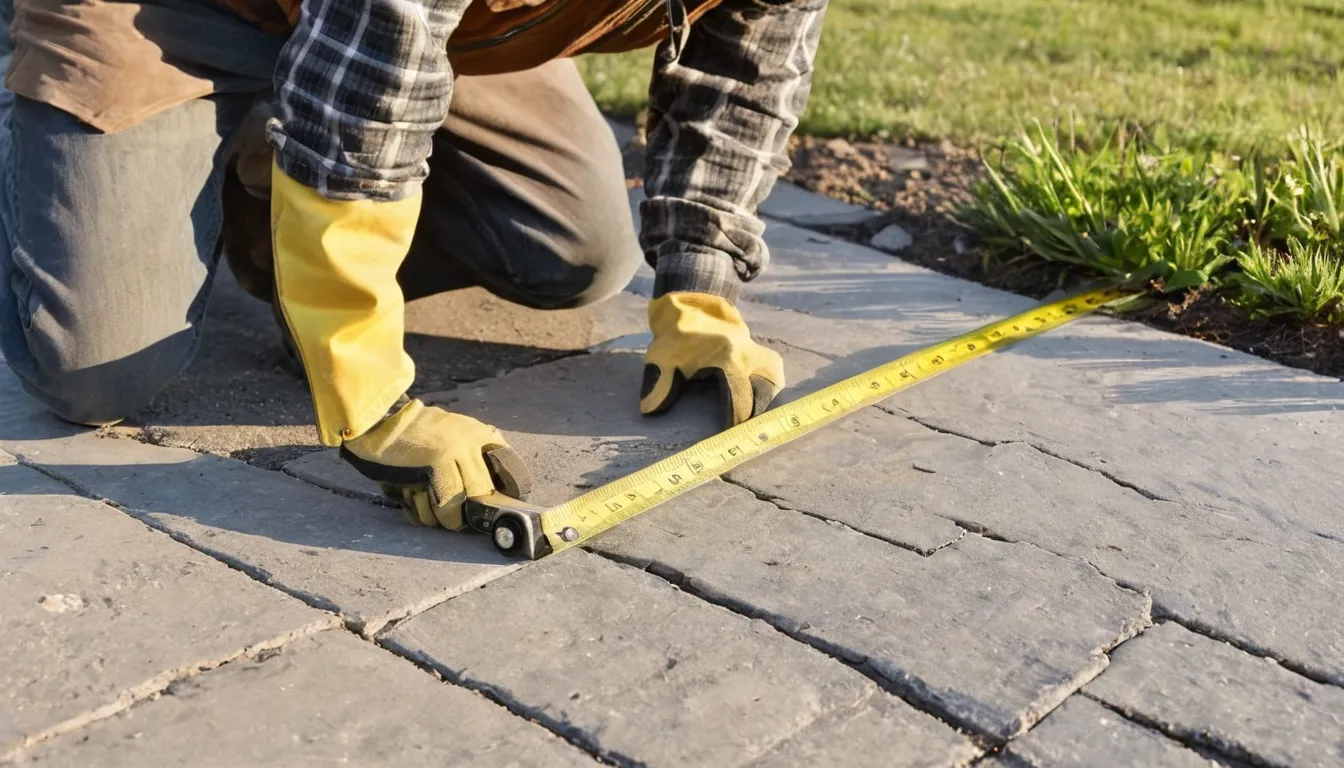
Grab a tape measure and a coin. A crack thinner than a coin edge is usually cosmetic. A crack wider than a quarter inch, or one where one side sits higher than the other, needs a closer look. Mark the ends with chalk and check again in a month. If it grows, it is moving.
Sinking, heaving and pooling water
Lay a straight board across the slab. Gaps under it point to sinking or lifting. Run a hose and watch where the water goes. It should flow away from the house. If it heads toward the garage or a basement wall, act soon. A slab that drains the wrong way can feed water to the foundation. In that case, foundation repair experts may need to see the house, too.
What you can do yourself
Sweep the surface. Clear weeds from the joints. Pressure wash on a mild day. Fill hairline cracks with a store-bought concrete crack filler, and follow the label. Keep downspouts pointed well away from the slab. These are safe weekend jobs.
A quick patch for concrete driveway repair works on small spots. It will not fix a slab that is sinking or crumbling.
Where to stop and ask
Stop and ask a provider when you see wide cracks, uneven edges, deep spalling or a slab that slopes toward the house. Do not rent a mixer and try a big pour alone. Concrete sets on its own clock. Mistakes in grading and base prep are costly to undo.
Request a callback to check provider availability in your area.
Let weather set timing
Concrete needs a window of mild, dry days. Cold or heat can ruin a good plan, so timing matters as much as the mix.
Spring melt and hail
The fast spring melt soaks the ground. Soft, wet soil makes a poor base. Spring is also a good time to spot winter damage, so use it to look and plan. Hail can chip a fresh surface, so ask providers how they handle a pour when storms are in the forecast.
Summer sun and dry air
Intense sun and dry air pull moisture out of fresh concrete too fast. That can cause surface cracks. Providers often pour early in the day and keep the slab damp while it cures. This is a good season for most projects.
Fall and winter
Fall is a smart time to book. Pours can still happen before hard freezes. Heavy snow loads and ice-melt chemicals are tough on new concrete, so a slab needs time to cure before winter use. Booking early gets you on the calendar.
What a new driveway project includes
A typical job has several steps. The old slab is broken out and hauled away. The soil is graded and a gravel base is packed down. Forms are set and steel or mesh may go in. Then concrete is poured, leveled and finished. Joints are cut so the slab cracks where it should. This is concrete flatwork, and the prep matters more than the pour.
Choosing size, thickness and finish
Measure your width and length, then add room for turning and parking. A single-car lane is often about ten feet wide. Many homes pick twelve. Most home driveways run about four inches thick. Heavier trucks may call for more.
For finish, a broom texture grips well in snow and ice. A smooth trowel finish looks nice but gets slick. Ask about sealing too. In a climate with strong sun and winter chemicals, a seal helps.
Permits and the street apron
The apron is the strip where your driveway meets the street. Many towns control it, and some require a permit or set the size and thickness. Ask your provider whether they handle the permit paperwork. Check any HOA rules before you pick a finish.
Choosing a concrete provider
Ask for a written quote that lists the base, thickness, joints, finish and cleanup. Ask how they handle drainage and winter pours. Ask about proof of insurance and licensing where your area requires it. Compare more than one quote, and look at the details, not just the price.
After the pour
Keep cars and foot traffic off for the time your provider tells you. Keep pets and kids away from wet concrete. Watch for early cracks in the first weeks. Seal when advised, and skip harsh ice melt in the first winter. Shovel with a plastic blade.
What's Included
Old slab removal
Providers break out the worn concrete, haul it away and check the soil underneath.
Grading and base
Soil is shaped for drainage, then gravel is packed down for a firm, even base.
Forms and reinforcement
Forms set the shape and edges. Steel or mesh can add strength where needed.
Pour, finish and joints
Concrete is leveled, textured and cut with joints so cracks form in neat lines.
Typical new driveway costs in the U.S.
Prices vary by size, soil, finish and local labor. These are typical U.S. ranges only, so always get a written quote before you decide.
| Item | Typical range | Notes |
|---|---|---|
| Old slab removal | $1 – $3 per sq ft | Depends on thickness and reinforcement |
| Grading and gravel base | $1 – $3 per sq ft | Poor or wet soil can add cost |
| New 4-inch plain slab | $6 – $12 per sq ft | Broom finish is usually the base price |
| Decorative or colored finish | $10 – $18 per sq ft | Stamping and color raise labor |
| Permit and apron work | $100 – $1,500 | Rules differ by town |
| Sealer | $0.50 – $2 per sq ft | Needs reapplying every few years |
How It Works
Walk the lot
Check cracks, slope and drainage. Take photos and measure the area you want covered.
Pick your timing window
Let weather set timing. Think about the melt, the summer heat and the first freeze.
Request an estimate
Tell us about your project and a provider in our network can follow up.
Compare written quotes
Check base, thickness, joints, finish and cleanup, then choose the provider that fits.
Why Call Morningphase Concrete
Independent local providers
Morningphase Concrete connects you with providers in our network who know local soil, weather and rules.
Plain guidance
Get simple checklists on what to inspect, what to try yourself and when to stop.
Seasonal timing
Learn which months suit a pour in a climate with hard winters, hail and strong sun.
No obligation
Request an estimate, compare your options and decide on your own schedule.
Other Services
Need concrete driveways help in Lakewood?
Tell us about your driveway or patio plans. Request an estimate and a local provider in our network can follow up. No obligation.
No obligationConcrete Driveways Help FAQ
How do I know if my concrete driveway needs replacing instead of repair?
Wide cracks, sunken or lifted sections, crumbling edges and water that pools or runs toward the house usually point to replacement. Hairline cracks and light surface wear can often be sealed or patched.
What time of year works well for pouring a new concrete driveway?
Late spring through early fall is usually the easiest window, when days are mild and dry. Very hot, windy or freezing weather can hurt a fresh pour, so ask your provider how they plan around it.
How thick should a residential concrete driveway be?
Many home driveways are about four inches thick. Heavier vehicles, such as large trucks or RVs, may need five or six inches or added steel. A provider can check your soil and use before quoting.
Reach a local provider
Tell us about your driveway or patio plans. Request an estimate and a local provider in our network can follow up. No obligation.
No obligation