Concrete Patios Services for Your Home
Request an estimate, no obligation
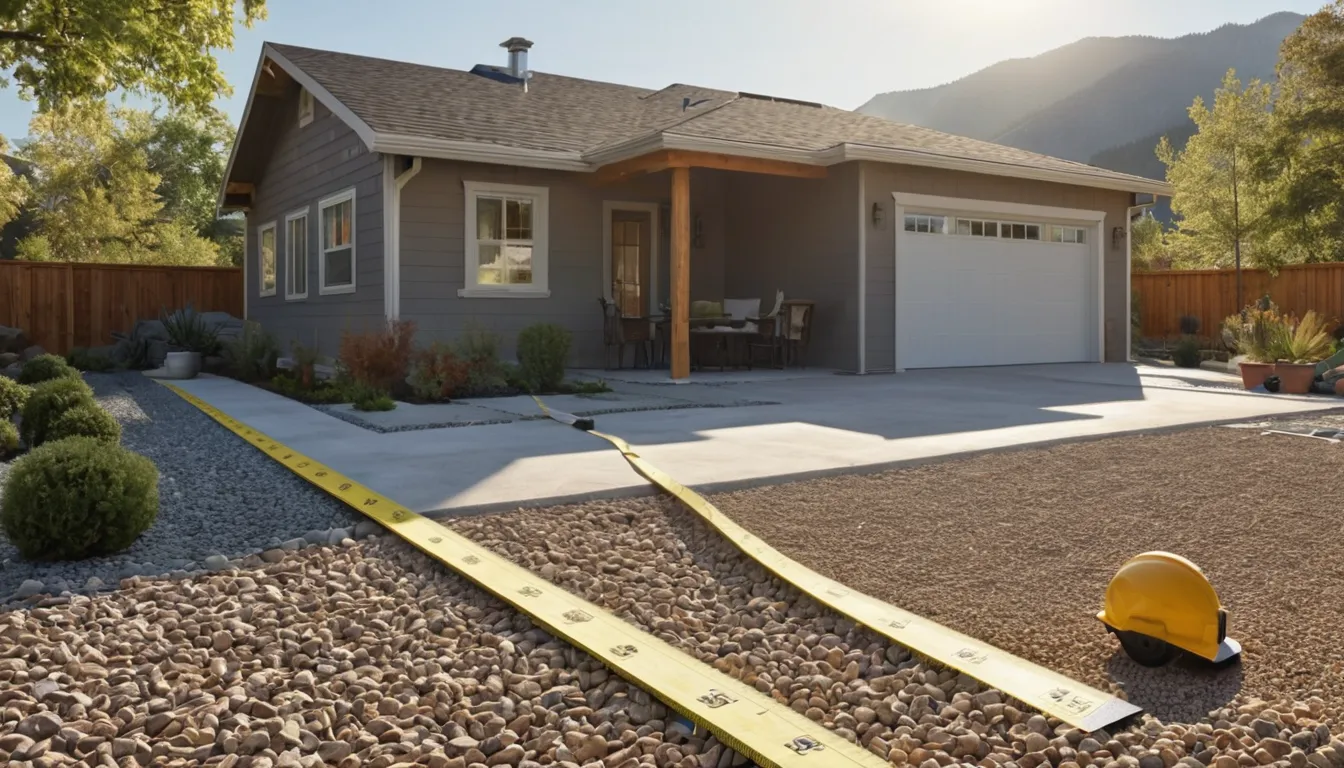
A good patio starts with a tape measure and a look at the sky. Walk the yard, check the slope, and think about when the weather will let concrete cure well. Dry air, strong sun, heavy snow and hail all shape the schedule.
Morningphase Concrete is a referral service. We do not pour concrete. We connect homeowners in the Lakewood area with independent local providers who handle the digging, forming, pouring and finishing. Use this page to prep your plan, learn what to expect, and know when to stop and ask a pro. You will also find notes on finishes, drainage, sizing and how to compare written quotes.
Plan the Patio Around the Weather
A patio is a season-driven job. Concrete cures well in mild, steady weather. Let weather set timing, then book early so nobody has to rush the pour.
Late Fall and Winter
Cold comes first. Fresh concrete hit by hard frost can flake and stay weak. In snowy areas, many providers pause pours until the ground thaws. Use the quiet months to measure, sketch and collect estimates. Spring slots fill up fast.
Spring Melt and Hail
Fast melt shows you where water runs. Walk the yard during the thaw and mark every puddle. Those spots tell you where the patio needs more slope. Hail can pit a fresh surface, so providers watch the forecast before they pour.
Summer Sun at Altitude
Dry air and strong sun pull water out of a slab too fast. That can cause surface cracks. Providers often pour early in the day, mist the surface and use curing products or covers. You can help by keeping pets, kids and bikes off the new slab.
Want a spot on the calendar? Request a callback to check provider availability for your season.
Walk the Lot First
Grab a tape, stakes, string and a level. Walk the spot where the patio will go. Look for soft ground, tree roots, downspouts and anything buried. Mark it all and take photos. This takes an hour and saves arguments later.
Check the Slope
A patio should drop about one quarter inch per foot, heading away from the house. Lay a straight board on the ground, set a level on top and measure. If the yard tilts toward the wall, tell the provider. Never pile dirt against wood or stucco to fix it.
Spot Early Warning Signs
Small clues show up before big repairs. Look for a damp basement wall, new hairline cracks in the foundation, doors that stick, and gutters that dump water near the wall. Sunken soil along the house is another sign. If you see these, stop and ask. Foundation repair experts should look at real foundation cracks before any concrete goes next to the house.
Drainage and Your Foundation
Many newer frame homes have basements. A patio that tilts toward the wall can push water straight to the footing. Good grade, extended downspouts and a solid gravel base keep water moving away. Fast melt and hail storms test all of this. Ask each provider how water will leave the slab.
Sizing Your Patio
Start with how you will use it. A four-person dining set needs roughly 10 by 10 feet. Add room to pull chairs out and a few feet of walking space. Lay a garden hose in the shape you want, or spray paint the outline, and live with it for a week. Concrete flatwork is hard to change once it sets.
Think about snow too. Where will you pile it when you shovel? Leave a clear path to the door.
Finish Options
Broom and Smooth
A light broom finish gives grip when the surface is wet or icy. A smooth trowel finish looks sleek but can get slick. Most homeowners in snowy climates lean toward the broom texture.
Stamped Concrete Patios
Stamped concrete patios use patterns and color to copy stone, brick or wood. They look sharp next to stucco and wood siding. They need sealing, and resealing every few years, so ask the provider about upkeep before you choose.
Exposed Aggregate and Color
Exposed aggregate washes away the top layer to show small stones. It grips well and hides dust. Integral color is mixed in, so chips will not show a different shade underneath.
What a Provider Handles
The heavy steps belong to a pro. That means digging, setting the base, building forms, adding steel or mesh, cutting control joints, pouring, finishing and curing. A pour cannot pause halfway. Stop and ask if anyone suggests mixing bagged concrete for a big slab.
What You Can Do Yourself
You can clear furniture and plants, mark the outline, photograph the yard and note every downspout. You can also pick a finish and set a budget. Ask the provider about marking buried utility lines before any digging starts.
Choosing a Provider
Compare at least three written quotes. Check that each one lists the size, thickness, base depth, joint plan, finish, sealing and timeline. Ask about permits and proof of insurance. Ask how the provider handles cold or hot weather on pour day. A vague quote is a warning sign.
Caring for the New Patio
Follow the provider's advice on when you can walk on it and when furniture can return. Skip de-icing salts the first winter. Shovel with a plastic blade, sweep often and rinse off spills. Reseal when the water stops beading.
Check the surface each season. Flaking, new cracks or water pooling are early signs to act on. A crack on the nearby driveway is a separate job, and concrete driveway repair has its own page.
Ready to Plan Your Patio?
Measure first, pick your season, then talk to a provider. Request a callback to ask about your project and timing.
What's Included
Site and Base Prep
Providers dig, grade and pack a gravel base so the slab sits level and drains away from the house.
Forms and Reinforcement
Forms set the shape and thickness, while steel or mesh helps hold the slab together as it ages.
Pour and Finish
The crew places, levels and finishes the concrete with a broom, smooth, stamped or aggregate look.
Joints and Curing
Control joints guide cracks, and proper curing helps the surface gain strength in sun and dry air.
Typical Concrete Patio Costs in the U.S.
Prices change with size, soil, finish, access and local weather. These are typical U.S. ranges, not quotes. Ask each provider for a written estimate that lists every line item before you agree to anything.
| Item | Typical range | Notes |
|---|---|---|
| Basic broom-finish slab | $6 – $12 per sq ft | Plain gray, standard thickness |
| Stamped and colored | $12 – $22 per sq ft | Pattern, color and sealer add cost |
| Exposed aggregate | $8 – $18 per sq ft | Grippy and hides dust |
| Site prep and gravel base | $1 – $4 per sq ft | Soft or sloped ground costs more |
| Removing an old slab | $2 – $6 per sq ft | Depends on thickness and access |
| Sealer | $1 – $3 per sq ft | Reapply every few years |
How It Works
Walk and Measure
Check the slope, mark the outline, and note downspouts, roots and any early foundation warning signs.
Pick Your Season
Choose a window with mild weather, and book early before spring and summer slots fill up.
Request an Estimate
Ask for written quotes from local providers with size, base, finish and timeline listed.
Pour and Care
The provider builds and pours the slab, then you protect it while it cures.
Why Call Morningphase Concrete
Built for Local Weather
Snow load, fast melt, hail and strong sun all affect how a patio should be poured.
Durable Surface
Concrete handles furniture, grills and foot traffic, and it can last for many years with care.
Flexible Looks
Choose a broom, smooth, colored or stamped finish to suit wood or stucco siding and your yard.
Independent Providers
Providers in our network are local businesses, so you compare written quotes and pick the one you like.
Other Services
Need concrete patios services in Lakewood?
Tell us about your driveway or patio plans. Request an estimate and a local provider in our network can follow up. No obligation.
No obligationConcrete Patios Services FAQ
When is a good time of year to pour a concrete patio?
Mild, steady weather works well, often late spring through early fall. Hard frost, extreme heat and hail can hurt fresh concrete. Ask local providers which windows they prefer for your climate and your site.
How long does a new concrete patio take to cure?
Many slabs can take foot traffic after a few days, but full strength takes weeks. Ask your provider when to place furniture or grills, since weather can change the timing.
Should I check my foundation before adding a patio?
Yes. Look for cracks, damp basement walls or sticking doors first. If you see them, ask a foundation specialist to look before any concrete goes next to the house.
Reach a local provider
Tell us about your driveway or patio plans. Request an estimate and a local provider in our network can follow up. No obligation.
No obligation